
Solar
Three-Phase vs Single-Phase Power: Why It Matters for Solar
The number of phases coming into your switchboard quietly decides how big your solar system can be. Here is how to check yours and what it means.
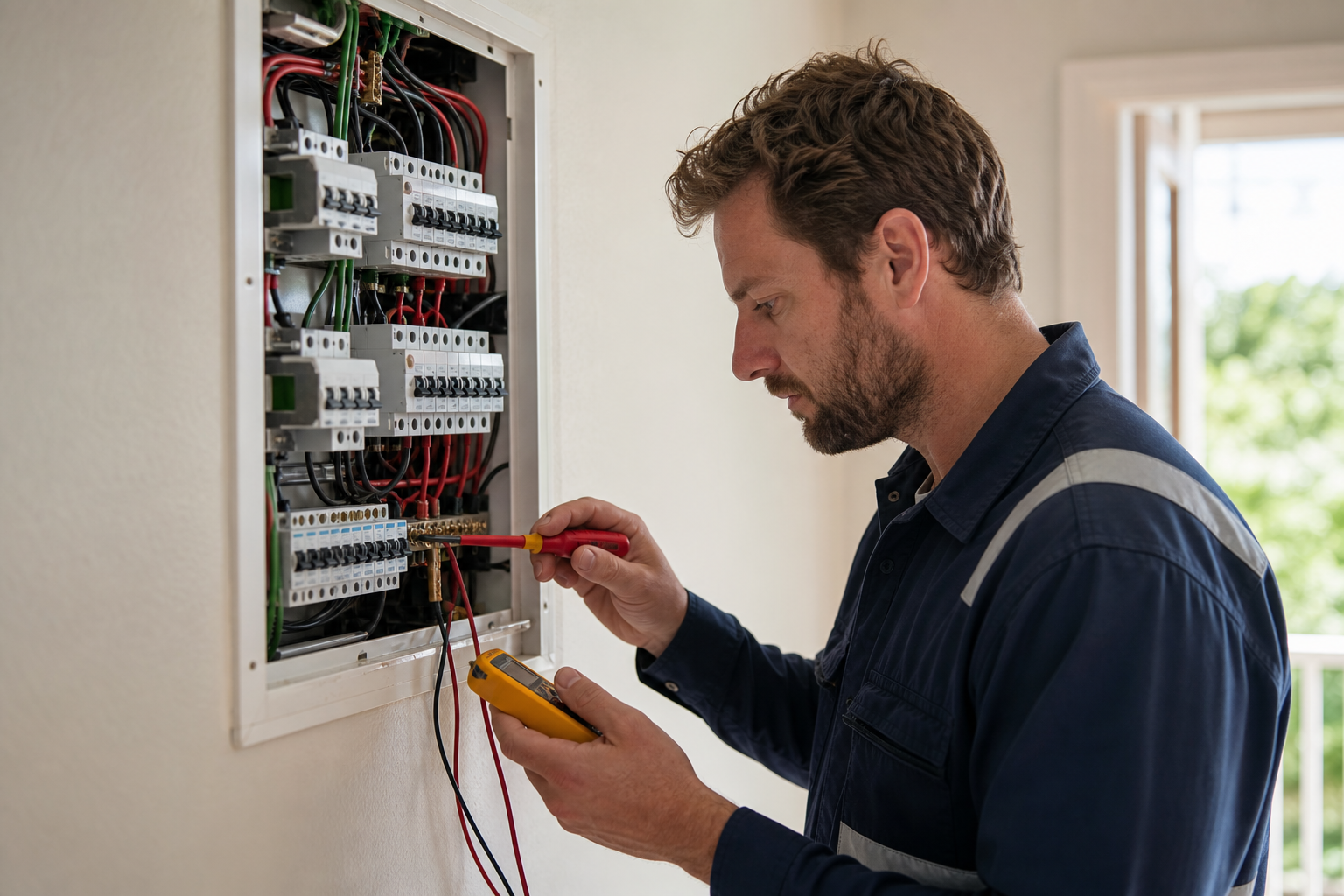
Before any panel goes on your roof, one detail in your switchboard shapes the entire design: whether your home has single-phase or three-phase power. It is not something most people ever think about, but it decides how large your inverter can be, how much you can export, and how ready your home is for an electric vehicle.
What the difference actually is
Single-phase supply delivers electricity through one active wire; three-phase delivers it through three. Most Australian homes built with modest electrical needs have single-phase. Larger homes — especially those with ducted air conditioning, pools or workshops — are often wired with three-phase, as are nearly all commercial premises. The quickest clue is your main switch: one pole suggests single-phase, while a wider three-pole switch means three-phase. An electrician or a photo sent to your installer settles it in seconds.
Why it caps your solar size
Network distributors limit how much inverter capacity and export they allow per phase. On single-phase connections in many areas, that means an inverter around 5 kilowatts with a 5 kilowatt export limit — comfortable for a typical 6.6 kilowatt panel array, but restrictive if you want more. Three-phase homes can usually install substantially larger inverters, spread across the phases, with higher export allowances. If your plans include a big battery, an EV charger and a heat pump, those limits matter early.
Voltage rise: the quiet constraint
There is a second, less-known issue: voltage rise. When your solar exports power, the local grid voltage climbs slightly, and if it climbs too far your inverter is required to throttle back or disconnect. Single-phase homes at the end of long suburban runs feel this most, especially on hot afternoons when every roof in the street is exporting at once. Three-phase connections spread export across three conductors, which keeps voltage rise lower and lets the system keep producing at full tilt on bright days.
Should you upgrade?
Converting a single-phase home to three-phase typically costs a few thousand dollars, depending on the distance to the network and the state of your switchboard. For a household planning one modest solar system, it is rarely worth it. For a household planning solar now, a battery next year and an EV after that, doing the upgrade once — ideally while the switchboard is already being touched — is often cheaper than working around single-phase limits forever.
The practical advice: find out which supply you have before you collect solar quotes, and tell every installer what your five-year plans look like. At HiTech Energy we check phase supply, export limits and voltage-rise risk as part of every design, so the system you buy is the system the network will actually let you run.