
Battery
Virtual Power Plants: Should Your Battery Join One?
VPP operators will pay you to borrow your battery at peak times. Whether that deal is worth taking depends on the fine print — here is what to check.
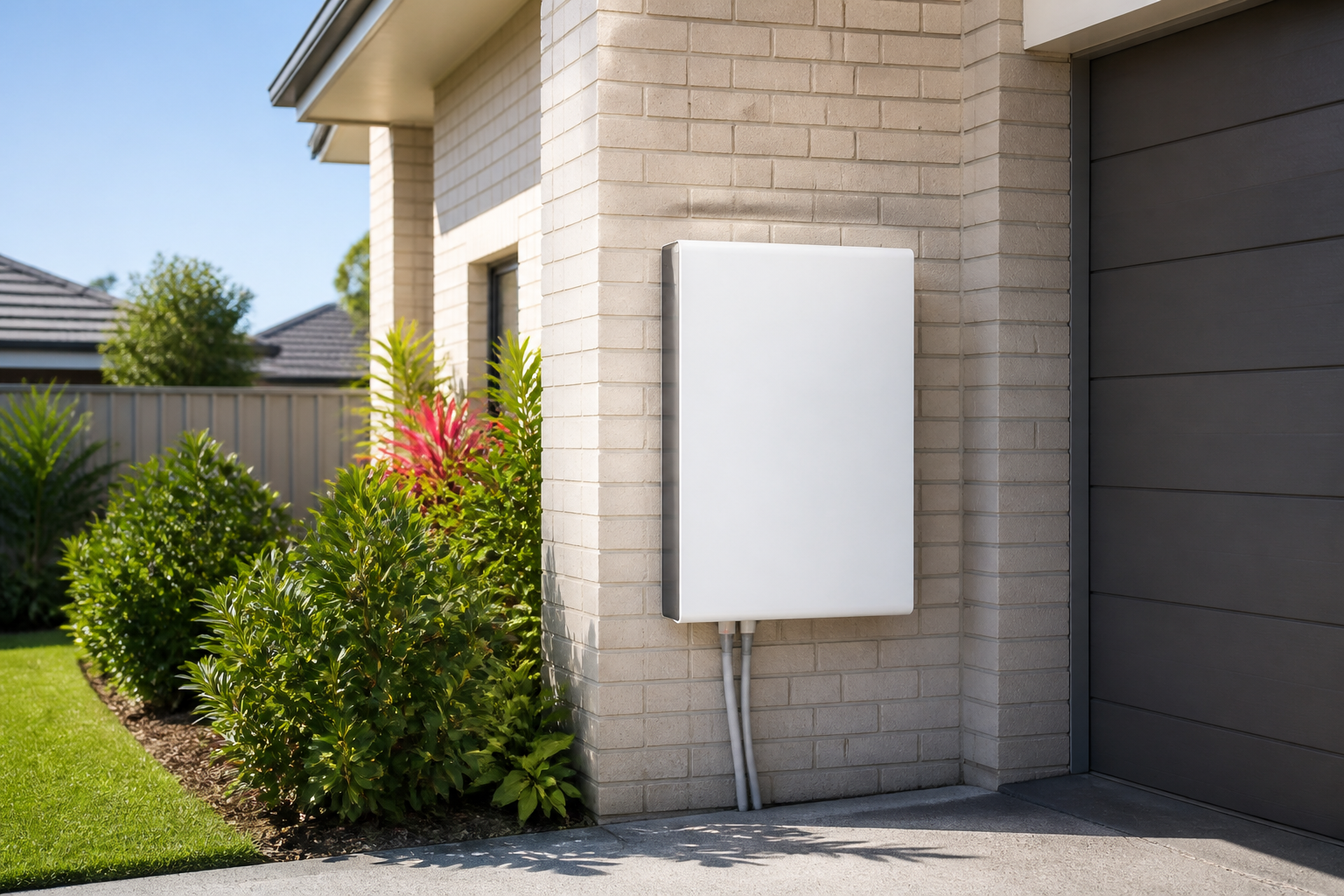
A virtual power plant, or VPP, is a network of home batteries coordinated by software to act like one large power station. When the grid is under strain — a heatwave evening, a generator outage — the operator draws a little energy from thousands of batteries at once and sells it into the market at premium prices. In exchange, you get paid: sometimes as an upfront discount on the battery, sometimes as ongoing credits, sometimes both.
How the deals are structured
No two VPP offers look alike, which is exactly why they deserve scrutiny. Some pay a flat annual credit for access to your battery. Others share the revenue from each trading event. Some bundle the VPP with a specific retailer and tariff, so the real value depends on how their rates compare with the best deal you could get elsewhere. And a few state rebate programs have, at times, required VPP capability as a condition of the rebate — worth checking before you assume it is optional.
What you give up
The honest cost of joining is control. During an event, the operator may discharge your battery into the grid even if you would rather hold that charge for your own evening peak. Good programs promise a guaranteed reserve — say, twenty per cent kept aside for you, or a floor that protects backup capacity — but the guarantee is only as good as the contract wording. Extra cycling is the other consideration: more charge and discharge means more wear, although modern batteries are warranted for thousands of cycles and typical VPP activity adds only a modest amount.
The questions to ask before signing
Ask how many events per year the operator expects and whether there is a cap. Ask what minimum charge is reserved for your household, and whether backup power is ever compromised. Ask whether you can leave the program without penalty, and whether the deal locks you to one retailer. Finally, ask for a realistic annual dollar estimate in writing — if the answer is vague, that tells you something too.
Who comes out ahead
Households with larger batteries and modest evening consumption tend to do best, because there is genuinely spare capacity to trade. If you routinely drain your battery to zero every night, the VPP is trading energy you would have used yourself, and the credits need to beat your peak rate to make sense. There is no universal answer — but there is always a calculable one.
At HiTech Energy we install VPP-ready batteries and walk you through the current programs without pushing any of them. Joining should be a choice you make with the numbers in front of you, not a box ticked on install day.